
Community
How a classic car is restored, step by step
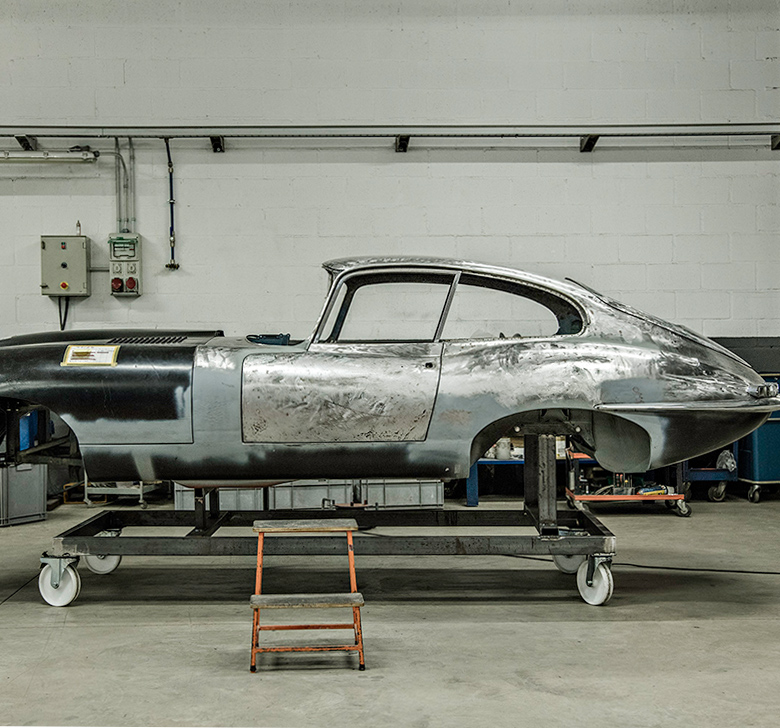
Restoring a classic car is very different from repairing a used one.
In many cases, the goal isn’t simply to get it running again. It’s about preserving its history, respecting its original features and recovering parts that may not have been manufactured for decades.
That’s why a restoration can turn into a project lasting months, or even years.
1. Knowing what we’re dealing with
Before removing a single part, it’s essential to understand the true condition of the vehicle.
Bodywork, chassis, engine, electrical system, interior and documentation are all part of an initial assessment.
This is also the stage where we decide what kind of restoration we want to carry out.
Do we want to keep as many original components as possible? Are we aiming for a full restoration? Or does the car simply need to be safely back on the road?
2. Disassembly
A thorough restoration usually involves taking much of the vehicle apart.
Every part must be carefully sorted and documented. Screws, trim, dashboard components or small pieces can later become a real headache if their location isn’t properly recorded.
3. Bodywork and corrosion
Some of the most important work can be found precisely where it’s least visible.
Corrosion hidden under paint, upholstery or old protective coatings may require certain parts of the body to be repaired before the project can continue.
On a classic car, dealing with these problems properly is essential to ensure the restoration makes sense in the long term.
4. Mechanics
The engine, transmission, suspension and brakes all need a complete overhaul.
Some parts can be repaired. Others will have to be replaced and, depending on the model, finding spare parts can become a major part of the project.
5. The interior
Seats, headliner, carpets, dashboard and steering wheel make up much of a classic car’s personality.
Restoring them while respecting the original materials and designs can make the difference between simply refurbishing an old car and carrying out a true restoration.
6. Reassembly
Once the bodywork and mechanics are ready, one of the most satisfying moments begins: putting the vehicle back together.
Each component gradually returns to its place until the car regains its original look.